India & Russia Stepped Closer With Revised Financial Policies
India and Russia share a long-standing history of mutual backing and partnership. Advancing toward greater progress, officials from both nations have introduced significant reforms to deepen their bilateral ties, focusing particularly on the financial sector.
Consequently, Russia's Mir payment network could soon be integrated into Indian ATMs and Point of Sale terminals, as both governments hold ongoing talks to establish a financial framework immune to Western sanctions against Russia.
The transcontinental nation is also expected to incorporate India's RuPay payment network.
According to a prominent national newspaper, the mutual recognition of Mir and RuPay cards to ensure seamless transactions for Russian and Indian travelers in their respective nations was among the topics addressed during recent bilateral meetings, which included Indian National Security Advisor Ajit Doval's trip to Moscow on August 17 and 18.
India's National Security Advisor held discussions with Nikolai Patrushev, Secretary of the Security Council of Russia, as well as Denis Manturov, Deputy Prime Minister and Minister of Industry and Trade, alongside other Russian government representatives to explore avenues for expanded collaboration.
Both nations are actively engaged in linking the Unified Payments Interface developed by the National Payments Corporation of India with the Faster Payments System managed by the Bank of Russia.
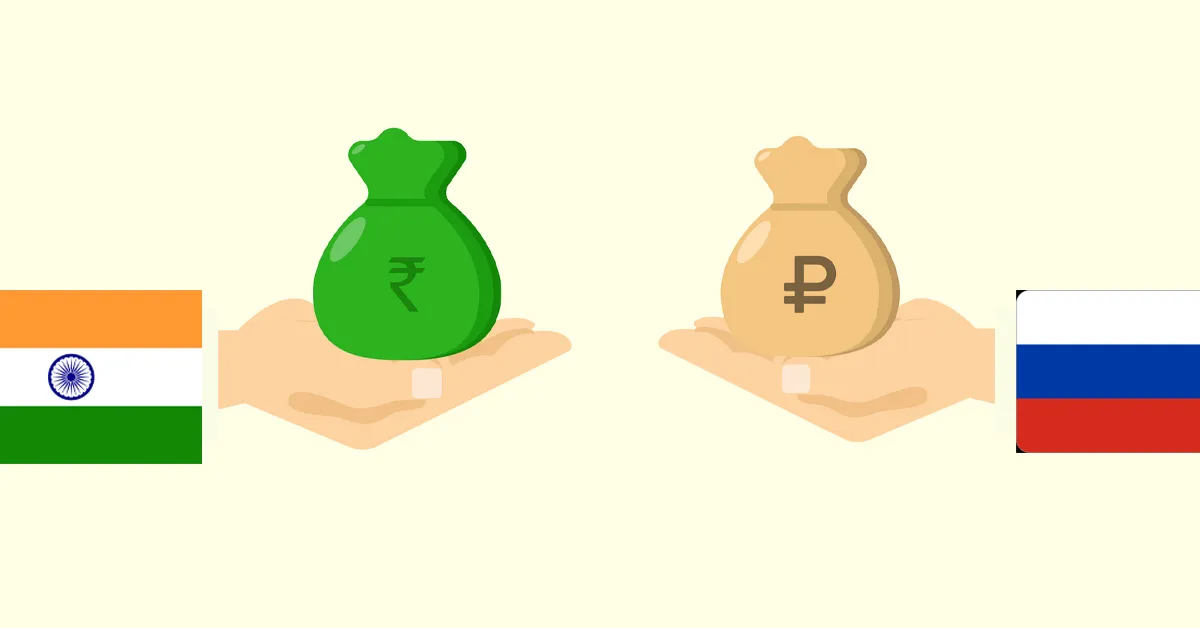
Additionally, over 15 Russian financial institutions are currently in negotiations with Indian counterparts to facilitate bilateral commerce using their national currencies, specifically rubles and rupees. This initiative will establish specialized trade accounts with Indian banks that circumvent the US dollar-tied trade mechanism, while also developing a tailored reference exchange-rate model.
Among the Russian institutions anticipated to establish these specialized trade accounts are Petersburg Social Commercial Bank, Zenit Bank, and Tatsotsbank. Bank of India, Canara Bank, and Uco Bank are expected to serve as the domestic partners for these Moscow-based institutions.
Various organizations, including the Indian Banks Association and the Indian Economic Trade Organization, are playing an active role in formalizing these processes. A customized daily reference exchange rate will be jointly declared by the Reserve Bank of India and the Central Bank of Russia.